A Digest on Co-Design
WHAT DO
WE MEAN BY
CO-DESIGN
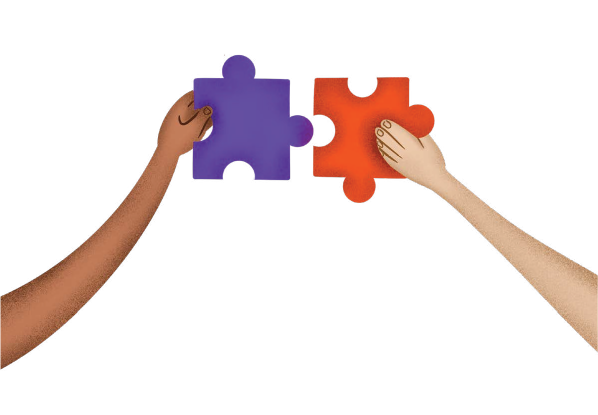
Co-design is an approach in which all stakeholders, consumers and users ofproducts or services are involved in the design process as design partners. Morethan ever, we are in need of emergent practices and innovations that can addressthe problems we see in the VUCA (volatile, uncertain, complex and ambiguous)world that we live in today. We can only achieve this by creating together withpeople with diverse lived experiences and professional backgrounds.
WHY
CO-DESIGN
"The success of co-design is all in the doing. Done badly, it can destroy trust systems; done well, it can help solve policy and delivery problems, stabilise turbulent lives and improve life chances."
• Contribution of better ideasfrom service users as experts inthe use of the service
• Better service experience
• Higher quality of service
• More differentiated service
• Capacity building of user
• Improvement across a rangeof other outcomes -eg.health, mental health
• More succesfull innovations
• Improved innovation practices,processes and capabilities
• Higher staff satisfaction levels
• Better outcomes
• Contribution to brand &reputation
• Improved focus on users &outcomes
• Better cooperation across theorganization and disciplines
A co-design process empowers and is strengthened by:
Power Sharing

Inclusion

Participation

Iteration
Power Sharing:
In any design process, we need to recognize power imbalances and prevent those with the most authority from having the most impact on choices, regardless oftheir expertise or quality of their ideas. We must share power in research, decision-making, design, delivery, and assessment. Therefore, all participants should beconsidered as experts whose opinions are equally valuable.
Good Design Example: Social Media Mapping
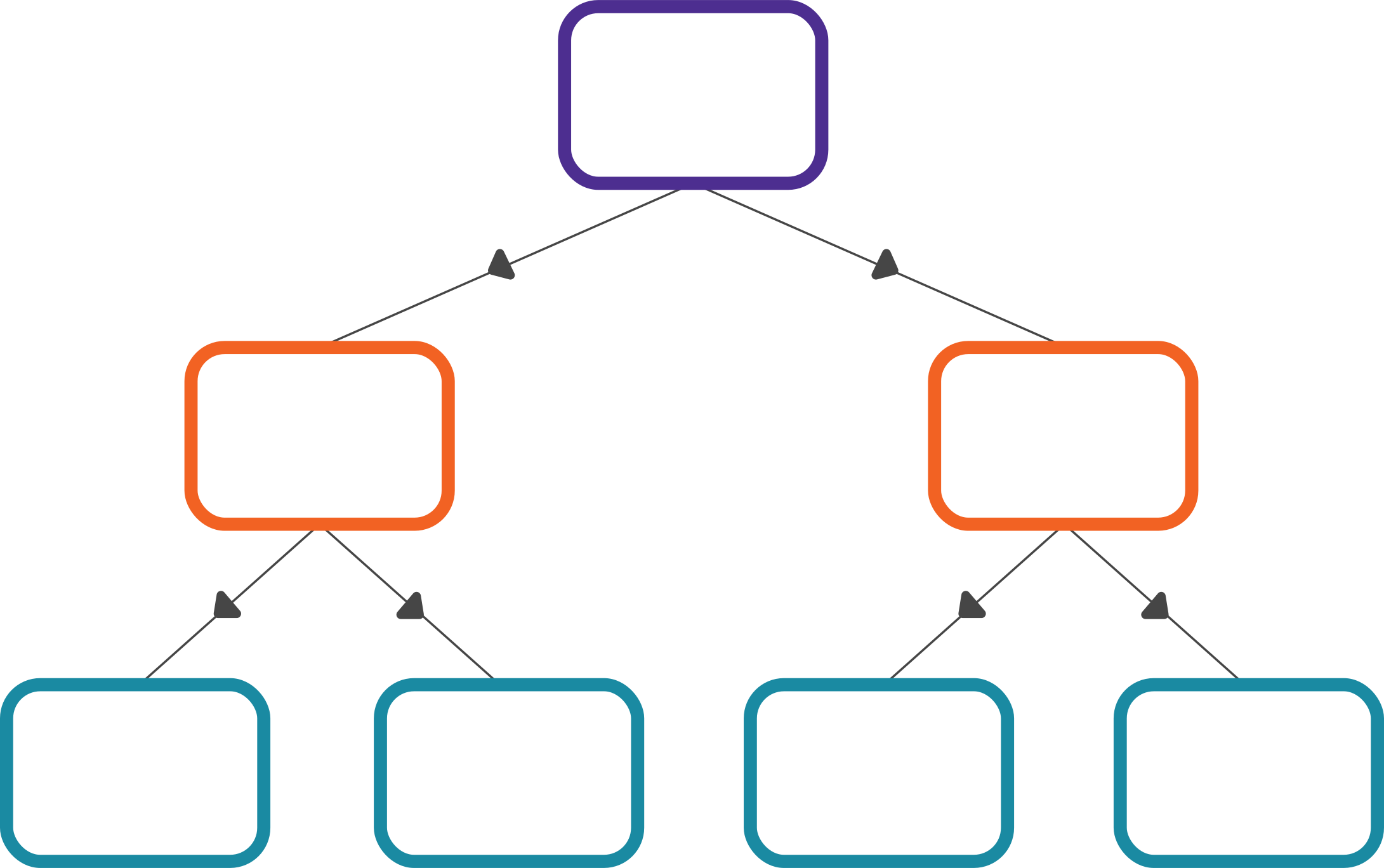
There are many identities within social and political context that inform our positionality. Identifying those could help in understanding biases, prejudices, trauma, privilege that these identities might create. Danielle Jacobson (HART Fellow in Human Trafficking at Women’s College Hospital) and Nida Mustafa (PhD Candidate University of Toronto, Dalla Lana School of Public Health) created a process for explicitly identifying and reflecting on social identities. Their three-tiered approach allows conceptualization of social identities and positionality, looking into opportunities, values and interpretations that mayarise with such positionality.
Social Identity
Start with a broader face of your social identity at the top of the tier. You repeat the reflection for multiple identities.
Life Impact
Consider the positions you mad hold, values attached to the identities, or interpretations of events or interactions.
Emotions
Dig deeper and identify emotions of feelings that may be tied to the details of your social identity.
Inclusion:
Understanding power dynamics and facilitating power-share, creates a more welcoming space for all stakeholders in the design process. Having a better understanding of differences brings the opportunity to seek access and equity in the process and outcomes.
"Inclusive Design is human-centered design.It considers the full range of human diversity,including ability, language, culture, gender, ageand other forms of human difference, as part ofthe design process. Inclusive Design triggersinnovation, opens new markets and createsricher engagement with customers and citizens."
Participation:
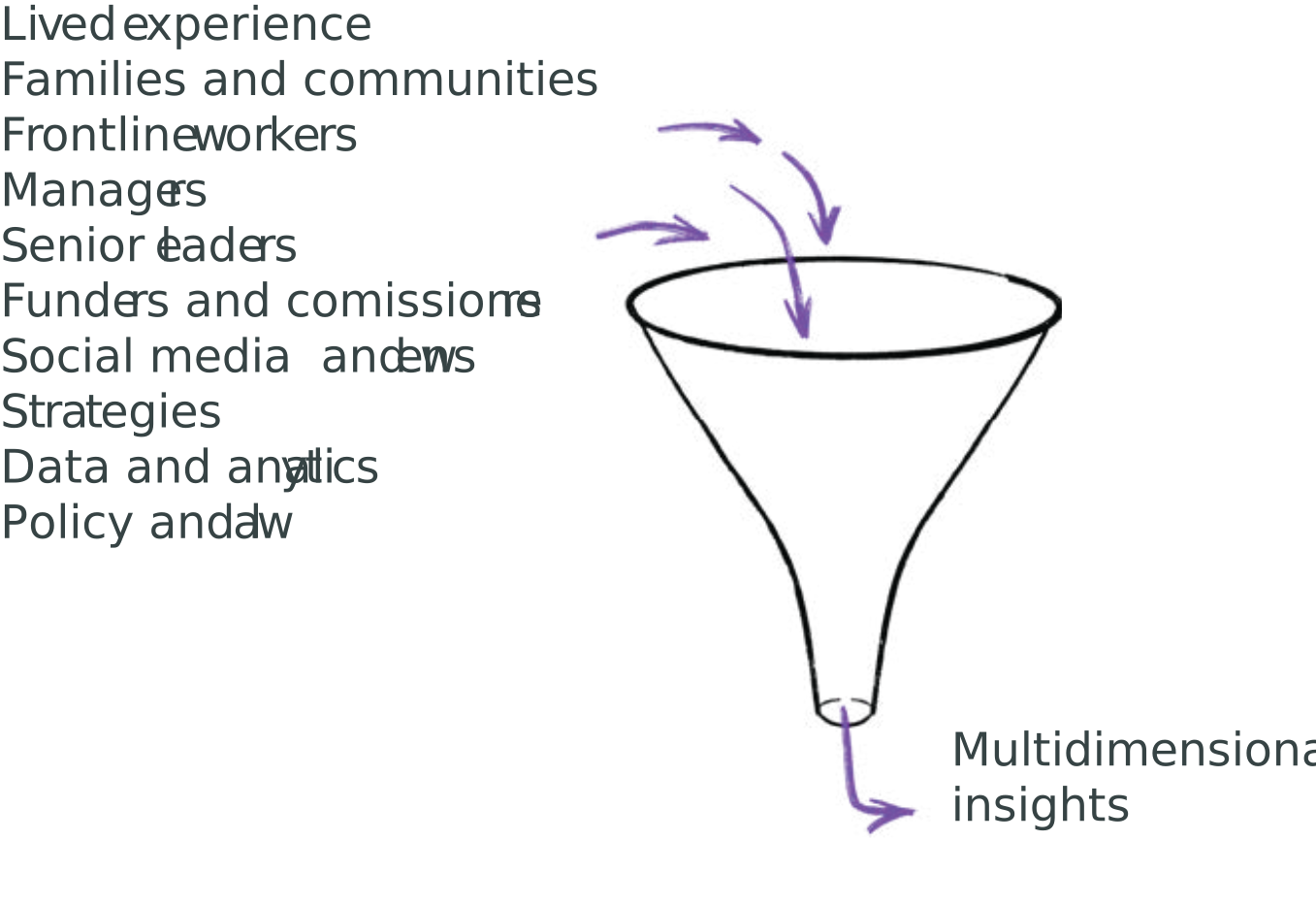
Representation is not inclusion. Inclusion is only achieved through the activeengagement of all stakeholders in the process. Co-design incorporates participatory methods that allow for all stakeholders to express themselves and take active part in the process, converting stakeholders to collaborators. Shared ownership in the process cultivates responsibility for the outcome in all stakeholders, enabling an authentic partnership in the design process.
Iteration:
Having a co-creative design process builds the foundation for successful iterations.In a cyclical process of prototyping, testing, analyzing, and refining a product ora service; ideas and solutions are tested and evaluated with stakeholders whomalready feel ownership in the outcomes through the co-design process. Iterativedesign creates a safe space to fail, and to collectively generate better outcomesin the long run.
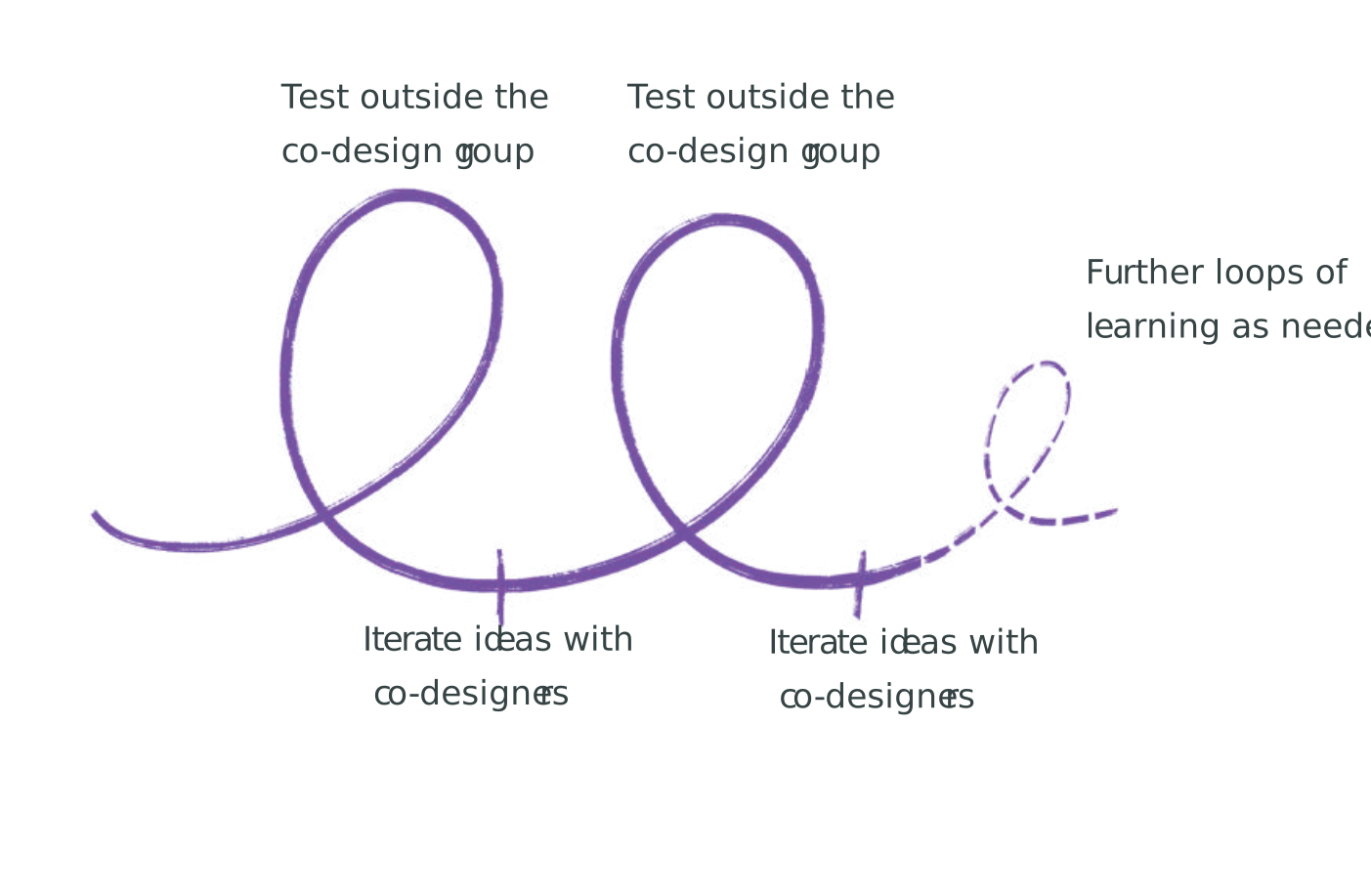
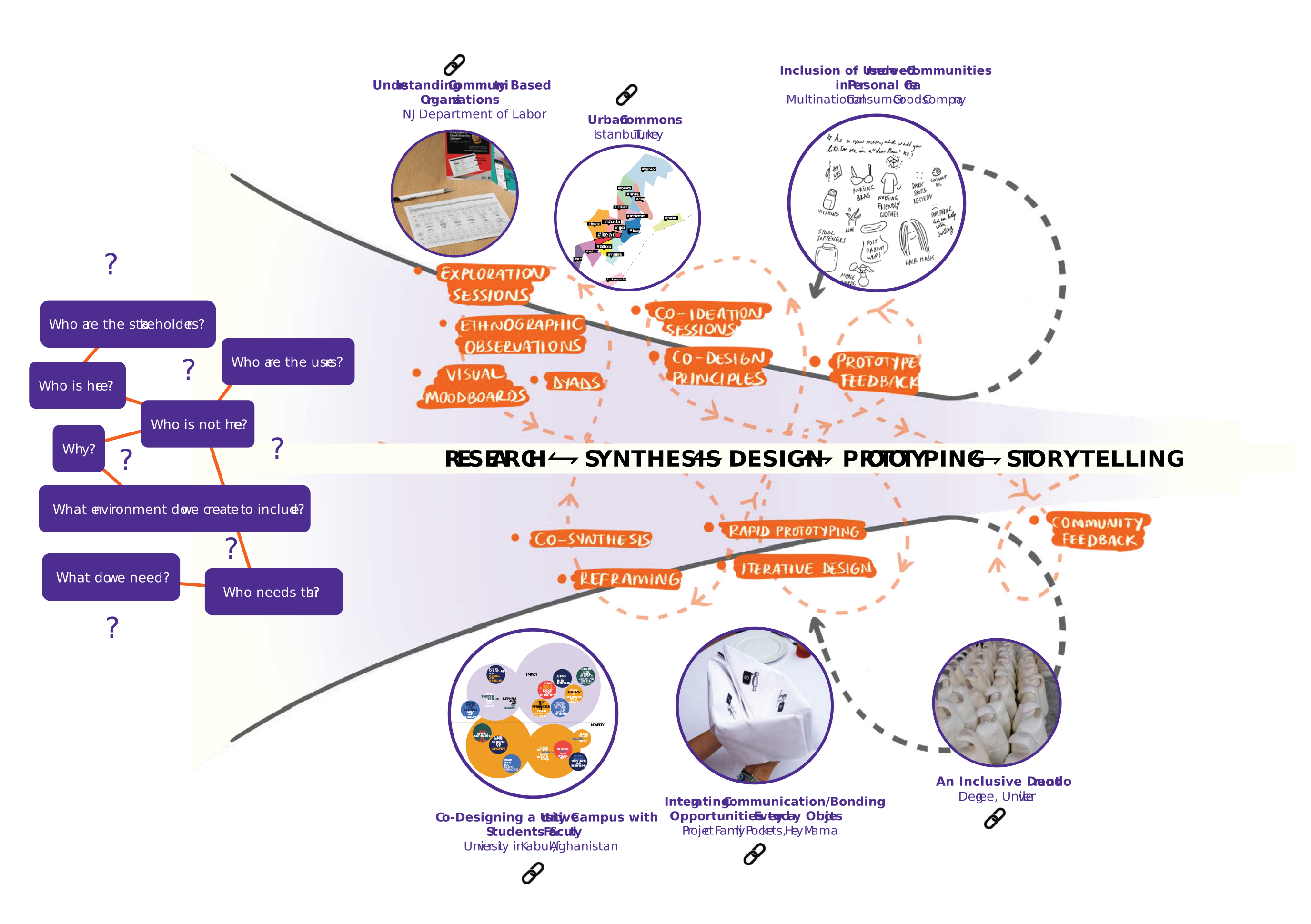
Fig1.2. : Kelly Ann McKercher, Beyond Sticky Notes (2020)
HOW WE
CO-DESIGN